Source Naturally Beautiful Fake Nail for Finger, Footwear, Woodworking
Find 30 listings for Naturally Beautiful Fake Nail designed for finger application, footwear, and woodworking. Buyers can compare artificial nails made of ABS or plastic with various styles, certifications, and customization options from manufacturers in China.
Key considerations
Products List


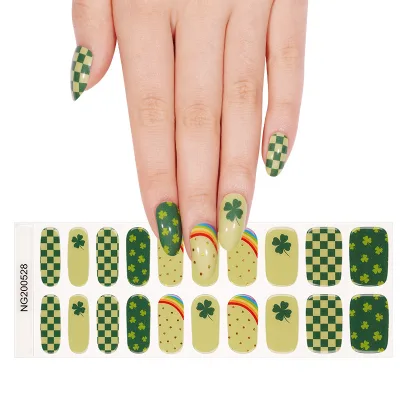
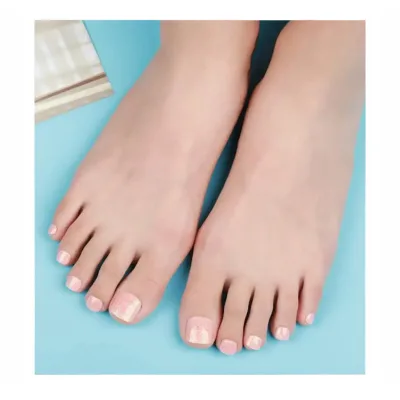
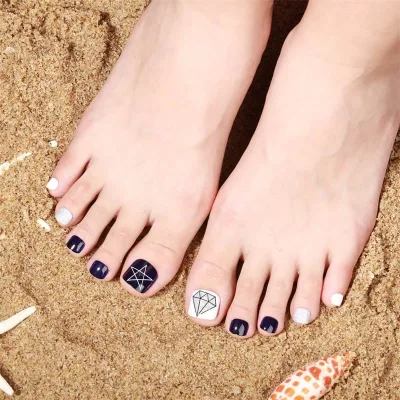


Comprehensive Sourcing Guide
Strategic Sourcing Guide for Naturally Beautiful Fake Nails
Understanding Product Definitions and Technical Specifications
When sourcing "naturally beautiful fake nails," buyers must first distinguish between the physical nail forms and the chemical adhesives often sold in the same procurement cycle. The market offers distinct product categories that serve different application needs. Based on available industry data, the primary physical product is the artificial fingernail, which comes in various styles such as "Middle Length Natural Square" and "Long Stiletto." These products are designed to provide a "Full Cover" solution, ensuring complete coverage of the natural nail bed for a seamless aesthetic.
The physical construction of these nails is critical for achieving a natural look. The material composition typically involves ABS plastic or general plastic formulations, which offer the necessary rigidity and flexibility to mimic the feel of real keratin. The "Craft" of these nails is a significant differentiator; high-quality options utilize "Printed" designs or "Painting" techniques to create intricate patterns that resemble natural nail art. The finish can be customized, allowing suppliers to apply other finishes beyond standard printing.
A standard unit of measurement for these products is the "24PCS Nails" set, which usually includes "12 Different Nail Size" options to accommodate various finger widths. This variety is essential for a professional application where a perfect fit is required for each digit. The product models in the current supply chain, such as XYN5033, XYN5029, and M-051, represent specific iterations of these designs. While the core function remains the same, the specific model numbers often dictate the exact shape, length, and decorative pattern available.
Compliance, Certification, and Chemical Safety Standards
Safety and regulatory compliance are paramount when importing beauty products, particularly those involving adhesives and direct skin contact. For the artificial nail forms themselves, the supply chain often references certifications such as CE, RoHS, and MSDS. These certifications indicate that the materials used meet specific European and international safety standards regarding hazardous substances and chemical composition. The presence of "ISOCovers:Full Cover" in some product data suggests specific compliance protocols, though buyers must verify the exact scope of these certifications for their target markets.
The procurement of nail adhesives introduces a different set of chemical requirements. The primary raw material for these adhesives is often Ethyl 2-Cyanoacrylate, a fast-acting cyanoacrylate resin. This chemical is identified by specific regulatory identifiers, including CAS No: 7085-85-0, Mf: C6h7no2, and Einecs No: 230-391-5. Sourcing guides must emphasize that buyers verify the MSDS (Material Safety Data Sheet) for every batch of adhesive to ensure the concentration of volatile organic compounds (VOCs) and other potential irritants aligns with local regulations.
Furthermore, the "prod_standard" for these products is often listed as "as required" or specific internal codes like "#56." This variability means that buyers cannot rely on a universal standard number alone. Instead, the procurement strategy must involve requesting the specific standard documentation from the supplier for each model. For instance, a product labeled with "AS25" or "Hn-5nb" may have unique compliance requirements regarding packaging or chemical stability. Buyers should ensure that the supplier can provide proof of compliance for both the nail forms and the associated adhesives, as these are often sold as a complete system.
Cost Drivers and Pricing Dynamics
The pricing structure for naturally beautiful fake nails is influenced by several variable factors, resulting in a wide observed range of 0.08 to 6.14 USD per unit. This significant variance is not arbitrary but is driven by the complexity of the design, the quality of the material, and the level of customization. Products with simple "Printed" finishes and standard ABS plastic construction tend to fall at the lower end of this spectrum. Conversely, items featuring "Painting" techniques, custom finishes, or specialized shapes like "Long Stiletto" command higher prices due to the increased labor and precision required in manufacturing.
The Minimum Order Quantity (MOQ) is another critical cost driver. The observed MOQ range spans from 1 to 40,000 units. Small MOQs, such as 1 or 24 units, are typically associated with sample orders or small boutique purchases, which carry a higher per-unit cost. Large volume orders, approaching the 40,000 unit threshold, allow for economies of scale that drastically reduce the unit price. Buyers must balance their inventory needs against their cash flow to determine the optimal order size.
Packaging also plays a role in the final cost. While some products come in simple "Export Carton" packaging, others are presented in "Color Box" or "PVC Tray" formats. The "24PCS in a PVC Tray" configuration is a common standard, but custom packaging requirements can increase the unit price. Additionally, the weight of the product, ranging from 3g to 5g per piece, affects shipping costs, which is a hidden variable in the total landed cost. Buyers should request a detailed breakdown of costs, separating the base product price from packaging and shipping fees to make accurate comparisons.
Typical Applications and Usage Scenarios
The versatility of artificial nails extends beyond simple cosmetic enhancement. The "Use" attribute for these products is explicitly listed as "Finger," indicating their primary application in personal beauty and nail salons. However, the chemical adhesives used in conjunction with these nails have broader industrial applications. The "Usage" data for adhesives includes "Finger, Footwear & Leather, Woodworking," highlighting the dual nature of the supply chain. While the nail forms are strictly for cosmetic use, the bonding agents are versatile industrial chemicals.
For nail salons and beauty professionals, the "Middle Length Natural Square" style is particularly popular for its versatility in daily wear, while the "Long Stiletto" style serves the fashion and runway market. The "Feature" of being "Easy to Apply" and "Reusable" makes these products highly attractive for professional settings where time efficiency is crucial. The "Waterproof" feature of some adhesive formulations ensures durability in various environments, from daily hand washing to exposure to humidity.
The "Form" of the adhesive, listed as "Liquid," is standard for professional application, allowing for precise control over the bond strength. The weight of the adhesive bottles varies, with options ranging from 1g to 5g per bottle, catering to both individual consumers and high-volume salon usage. Understanding these application nuances helps buyers select the right product mix for their specific customer base, whether they are targeting high-end salons requiring premium finishes or budget-conscious consumers looking for reusable, easy-to-apply options.
Supplier Evaluation and Manufacturing Capabilities
When evaluating potential suppliers for naturally beautiful fake nails, buyers should look for manufacturers with proven R&D capabilities. The data indicates that many suppliers possess "OEM/ODM" (Original Equipment Manufacturer/Original Design Manufacturer) capacity, allowing for significant customization. This is a critical factor for brands looking to differentiate their products with unique designs or specific packaging requirements. The "Business Type" is listed as "Manufacturer," suggesting a direct relationship with the production facility, which can lead to better pricing and quality control.
The geographic origin of the products is predominantly "Zhejiang, China" or "China (Mainland)," a region known for its robust manufacturing infrastructure in the beauty and chemical sectors. Buyers should verify the specific location within this region, as logistics and lead times can vary. The "Sample Time" is typically 3-5 days, which is a standard benchmark for the industry. However, buyers must confirm if this timeline applies to custom designs or standard stock items, as customization can extend the lead time.
Supplier reliability is further assessed through their ability to meet "as required" standards. This flexibility indicates a willingness to adapt to specific buyer needs, but it also requires clear communication. Buyers should request detailed product specifications, including the exact "prod_model" numbers, to ensure consistency across orders. The ability to provide "Export Carton" or "Color Box" packaging demonstrates the supplier's readiness for international distribution.
Quality Control and Long-Term Procurement Considerations
Maintaining consistent quality is essential for the long-term success of a fake nail business. The "Craft" of the nails, whether "Printed" or "Painted," must be uniform across all units in a batch. Buyers should implement a quality control protocol that checks for defects in the "12 Different Nail Size" distribution, ensuring that the sizing is accurate and that the "Full Cover" aspect is not compromised by manufacturing errors. The "Feature" of being "Reusable" must be validated through testing to ensure the nails can withstand multiple applications without cracking or losing their shape.
For long-term procurement, buyers should consider the stability of the supply chain. The "prod_packing" varies from "Plastic Box or Tray or Customer Requirements," indicating that packaging is a flexible area. Standardizing the packaging early in the relationship can streamline logistics and reduce costs. Additionally, the "Color" options, which include Pink, Blue, White, Black, Red, Purple, and Green, should be managed carefully to avoid inventory bloat. Buyers should analyze sales data to determine which colors are high-turnover and focus their orders accordingly.
Finally, buyers must remain vigilant regarding the chemical safety of the adhesives. The "Main Raw Material" of Ethyl 2-Cyanoacrylate is effective but requires careful handling. Regular audits of the supplier's quality control processes, including checks on the "CAS No" and "Einecs No" compliance, are necessary to ensure that the products remain safe for consumers. By focusing on these technical and operational details, buyers can build a resilient supply chain that delivers high-quality, naturally beautiful fake nails consistently.
FAQs
What materials are used for naturally beautiful fake nails?
These nails are typically constructed from ABS plastic or general plastic formulations to ensure rigidity and flexibility. The material choice allows them to mimic the feel of real keratin while providing a durable full cover solution for natural nails.
Which nail styles are available for artificial fingernails?
Common styles include Middle Length Natural Square and Long Stiletto designs to suit various aesthetic preferences. Each set usually contains 24 pieces with 12 different nail sizes to ensure a perfect fit for every finger.
Can buyers request customization for the nail finish?
Yes, customization is available for the craft and finish of the nails. Suppliers can apply printed designs, painting techniques, or other finishes beyond standard options to meet specific branding or design requirements.
What certifications do these nail products typically hold?
Products often carry CE, RoHS, and MSDS certifications to ensure safety and compliance with international standards. Some listings also reference ISO standards, though buyers should verify the specific scope for each model number.
How long does it take to receive a sample order?
The standard sample time for these products is 3 to 5 days. This timeline applies to standard stock items, though custom designs may require additional processing time depending on the supplier's R&D capacity.
What is the typical packaging format for these nails?
Nails are commonly packaged in 24-piece sets within a PVC tray or an export carton. Some suppliers also offer color box packaging or custom requirements to suit different distribution needs.
Where are these artificial nails primarily manufactured?
The products originate from Zhejiang, China, a region known for its robust manufacturing infrastructure in the beauty sector. Buyers can expect suppliers with OEM and ODM capabilities located in this area.